Sunday, November 6, 2022
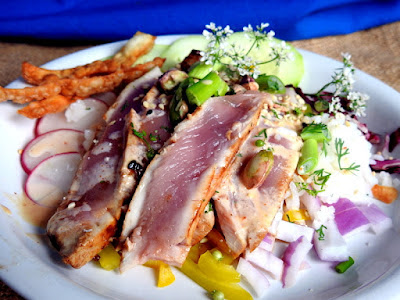
Rosie Cooks Blacktip Shark.
Saturday, October 29, 2022
More Brownies!
Here's the latest brownie batch:
Melted butter and sugar.
Add vanilla.
Add in eggs, one at a time.
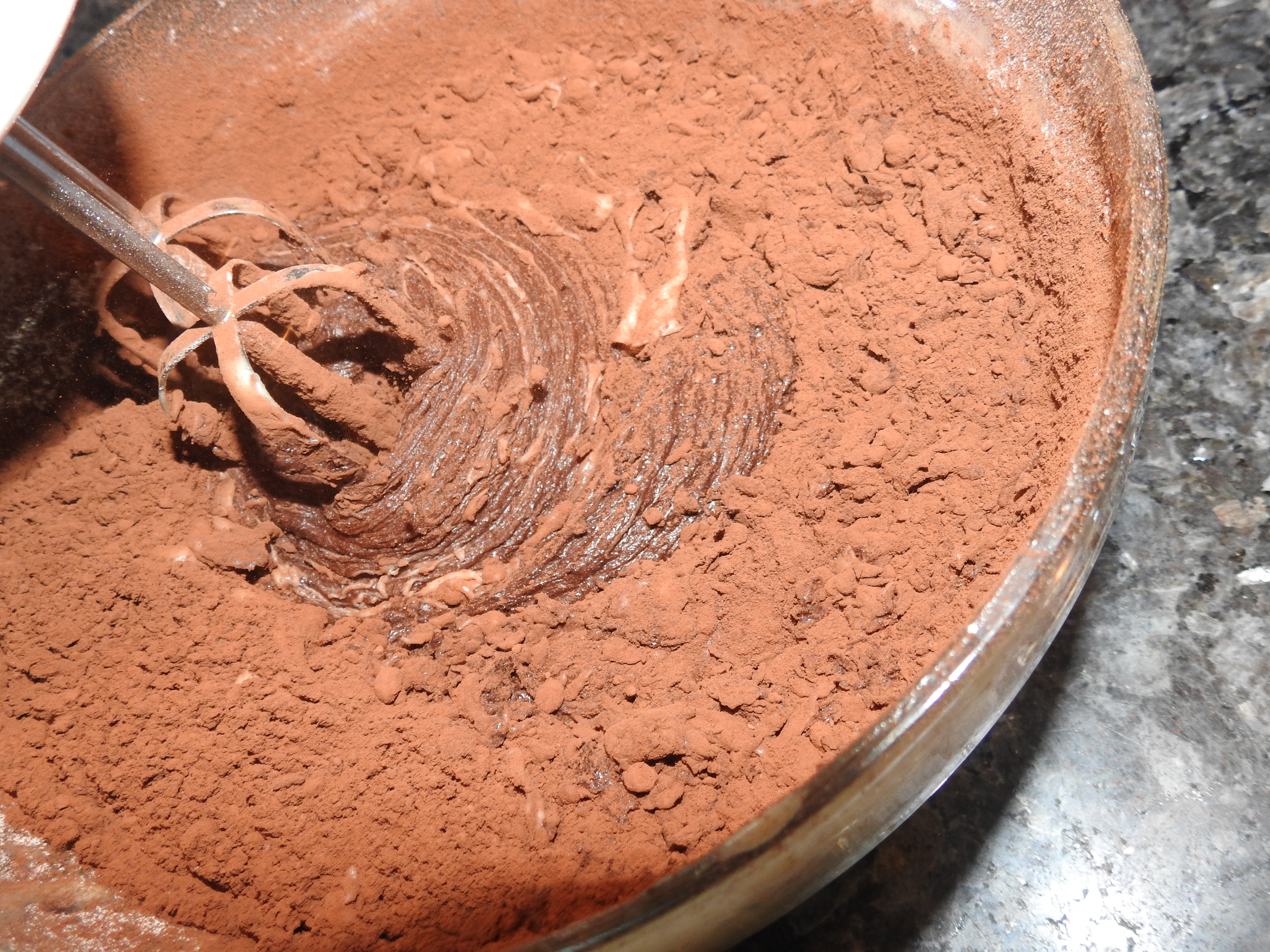
Flour in.Cocoa powder.
Stir until smooth.
Fold in chips.
Pour into prepared pan.
Ready to bake.
Let cool.
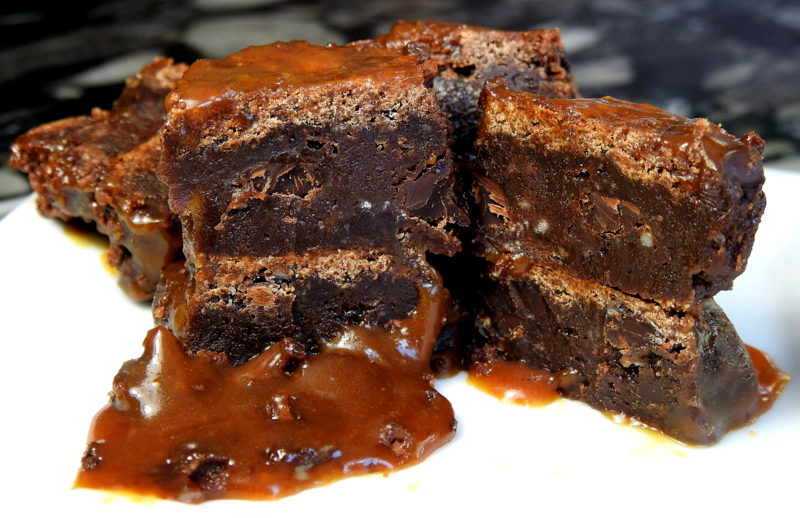
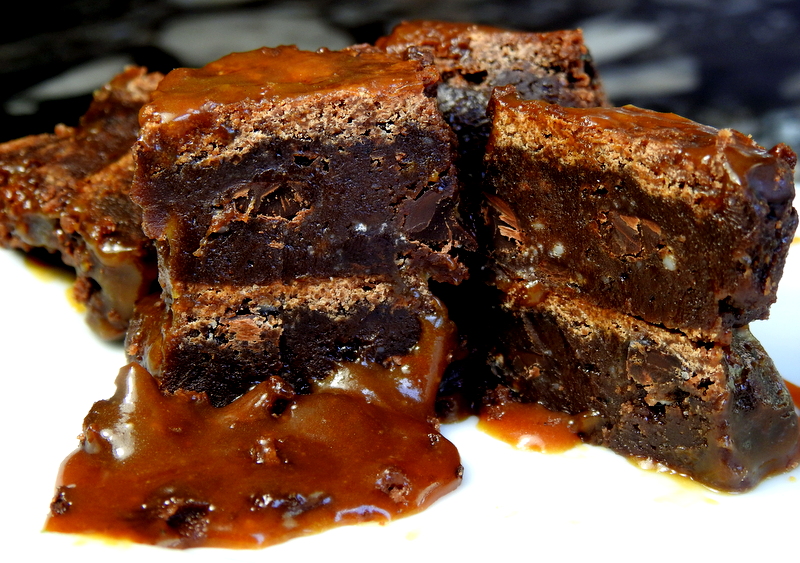
Slice into squares.
I like to add more chocolate to the chocolate, so I'm making chocolate ganache, which is simply a mixture of cream and chocolate. It can be used as a filling, frosting, sauce, or glaze, depending on its consistency.
Sunday, October 9, 2022
Tuna #3
I’ve been enjoying lots of tuna lately and it’s been a fun challenge to come up with different ways to prepare this wonderful fish.
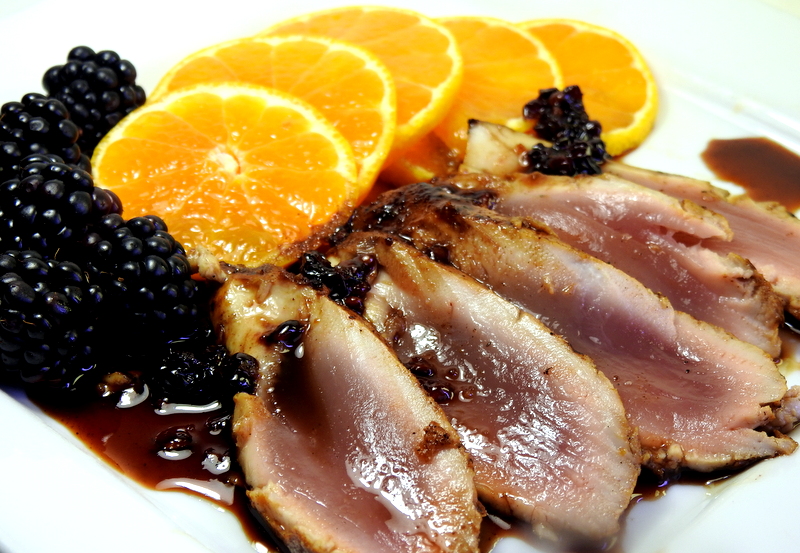
My third preparation is marinated tuna served with a blackberry sauce. I’m marinating inch+-thick tuna steaks, then searing the outside, leaving the inside deliciously rare, almost butter-like. The steaks are then sliced and accompanied by my version of a gastrique.
I like to offer new techniques and ideas for you to try and today’s contribution is a gastrique, a French name for a sweet and sour sauce. The sweet component typically comes from sugar (and honey, in my case) and fruit; the sour element from vinegar. The combination is cooked down, or reduced, along with other flavor infusions. The result is a sweet and tart syrup-like sauce which is an excellent complement to the tuna, enhancing the fish and amplifying its flavor. A gastrique is beautifully versatile. With one basic technique, you can create many different variations depending on what fruits, vinegars, and flavorings you choose. For this preparation, I’m using blackberries and balsamic vinegar.
I would be remiss if I didn't explain about balsamic vinegar.
Balsamic vinegar is a dark, syrupy
vinegar, glossy and viscous, slightly sweet with a mellow tartness, bold with a
rich complexity, and intensely flavored.
There are many varieties in stores and you want to find a good one, not a poor imposter.
True balsamic vinegar comes from only two areas in Italy – Modena and Reggio Emilia. The production of balsamic vinegar is a time-honored tradition and process and dates back to the Middle Ages so quality balsamic vinegar won’t be cheap because you’re paying for knowledge, tradition, history, craft, and time.
So, how do you choose a quality balsamic vinegar? You check the labels. You’re looking for one of two designations on the bottle: DOP or IGP. The DOP and IGP labels serve to preserve Italian culinary heritage, allowing consumers to distinguish authentic regional specialties from low-quality knock-offs. The need for guaranteed authentic products began in the mid 1900s when Italian cuisine gained popularity in the United States and other areas. To supply the increasing demand for Italian products, the market became flooded with mass produced, inferior imitations of Italian products, all sold under the guise of the high quality products they tried to copy. (For example, think about the green can of “Parmesan” cheese vs authentic Parmigiano Reggiano.) To protect their culinary reputation and the uniqueness of certain food products, to protect names from misuse and imitation, and to guard against food fraud, Italy worked with the European Union to create legal certifications to insure quality, tradition, reliability, and authenticity. To earn the labels, producers must adhere to a strict set of guidelines, overseen by the government.
The red DOP stamp on a bottle stands for Denominazione d’Origine Protetta,or Protected Designation of Origin. This stamp is a European Union certification and a designation of authenticity that guarantees that the vinegar was made only in Modena or Reggio Emilia, from grapes of those regions, using traditional methods and recognized techniques, with production overseen from beginning to end by a special consortium dedicated to safeguarding the product. By law, only DOP products can carry the word “traditional” on their labels. Aceto Balsamico Tradizionale di Modena DOP or Aceto Balsamico Tradizionale di Reggio Emilia DOP are the Mothers of balsamic vinegars. The sole ingredient is grape “must,” the must being the whole pressed grapes (including juice, skin, seeds, and stem), only from the designated regions of Modena or Reggio Emilia. Aged for at least 12 years in a series of barrels and sold in wax-sealed bottles with unique identification numbers, these vinegars are quite expensive. They are not what I’d recommend for this particular recipe because of the cooking involved. Heating these vinegars would affect the properties of the vinegars, destroying subtle flavors and their distinctive bouquets. These vinegars are meant to be tasted and enjoyed sparingly and judiciously.
For a good quality balsamic vinegar, and one more to my budget, I look for the blue IGP seal. This designation – “Indicazione Geografic Protetta” or Indication of Geographic Protection, is similar to DOP. A consortium controls the production process from beginning to end, but the regulations are less strict. At least one phase of the process must be done in the areas of Modena or Reggio Emilia. To keep up with the demand for balsamic vinegar, derivative methods are employed, using grape varietals typical of, but from outside, the Modena and Reggio Emilia regions. The processing, however, takes place in Modena and Reggio Emilia facilities with consortium approval. The aging process is nowhere near as long and IGP vinegars will likely contain additional ingredients besides the grape must – notably, wine vinegar, thickeners, and caramel.
For my purposes, a balsamic vinegar with the IGP label will work just fine with this recipe.
Now, on to the tuna.
Combine ingredients in small sauce pan and heat low and slow until mixture is reduced by half. Takes about 30 minutes, but you need to watch it because this can burn quickly. I always set the sauce pan in a cast iron pan so the heat is diffused and it cooks evenly. When reduced, add in a handful (or more) of blackberries, mashing them into the sauce and heating through. Remove from heat.
To plate, lay the seared tuna next to thin orange slices,
spoon the reduction sauce over the tuna, and tumble on some whole blackberries.
Enjoy.
Sunday, September 18, 2022
Rosie Makes Herbalicious Tuna.
I have another tuna preparation for you today. Today's tuna dish is "Herbalicious Tuna." It's seared and sliced tuna steaks served with an herbal condiment and a fresh garden salad. All the flavors come together in this preparation. You have the brightness of citrus and herbal flavors along with a tomato and cucumber salad. My herbal condiment combines the citrus fragrance of lemon zest with the grassiness of parsley, the sweetness and pepperiness of basil, the refreshing coolness of mint, and the savory pungency of garlic. It's light and summery and simple.
Now, back to today's tuna delight.
I heated my cast iron skillet over high heat and added a swirl of peanut oil. (Peanut oil for the high smoke point.) Let the temperature get to at least 475°. Add in a pat of butter and let it melt, and then place in your tuna steak. I'm using a small pan here, so one steak at a time. You don't want to crowd the pan which lowers the heat. You want that pan hothothot to get that nice sear.
I like my tuna on the rare side, so cook for 1 - 1 ½ minutes on the first side, turn over, and cook for a minute on the other side. Remove from pan and let rest a couple minutes before slicing and plating.
If you don’t have a scale to measure in fractions of an ounce, go with a yepsen of parsley, a handful of basil, and a half handful of mint. And by the way, a yepsen is a unit of measurement. It’s the amount that can be held in two hands cupped together.
Mince the garlic, finely chop the herbs, add in the juice and zest of the lemon, then stir in the oil. Pinch of salt.
I served the tuna slices with a fresh salad from the garden.
Simple Garden Salad
Cover and refrigerate 30 minutes before serving.
To plate, arrange tuna slices, spoon herbal dressing over top, and nestle in the tomato-cucumber salad.
Enjoy.